
How to Sell an Unmortgageable or Complex Property in the UK
Struggling to sell a complex or unmortgageable property? Learn why sales collapse and how specialist buyers and auction may help.
Irfanali Shivji
5/11/20264 min read
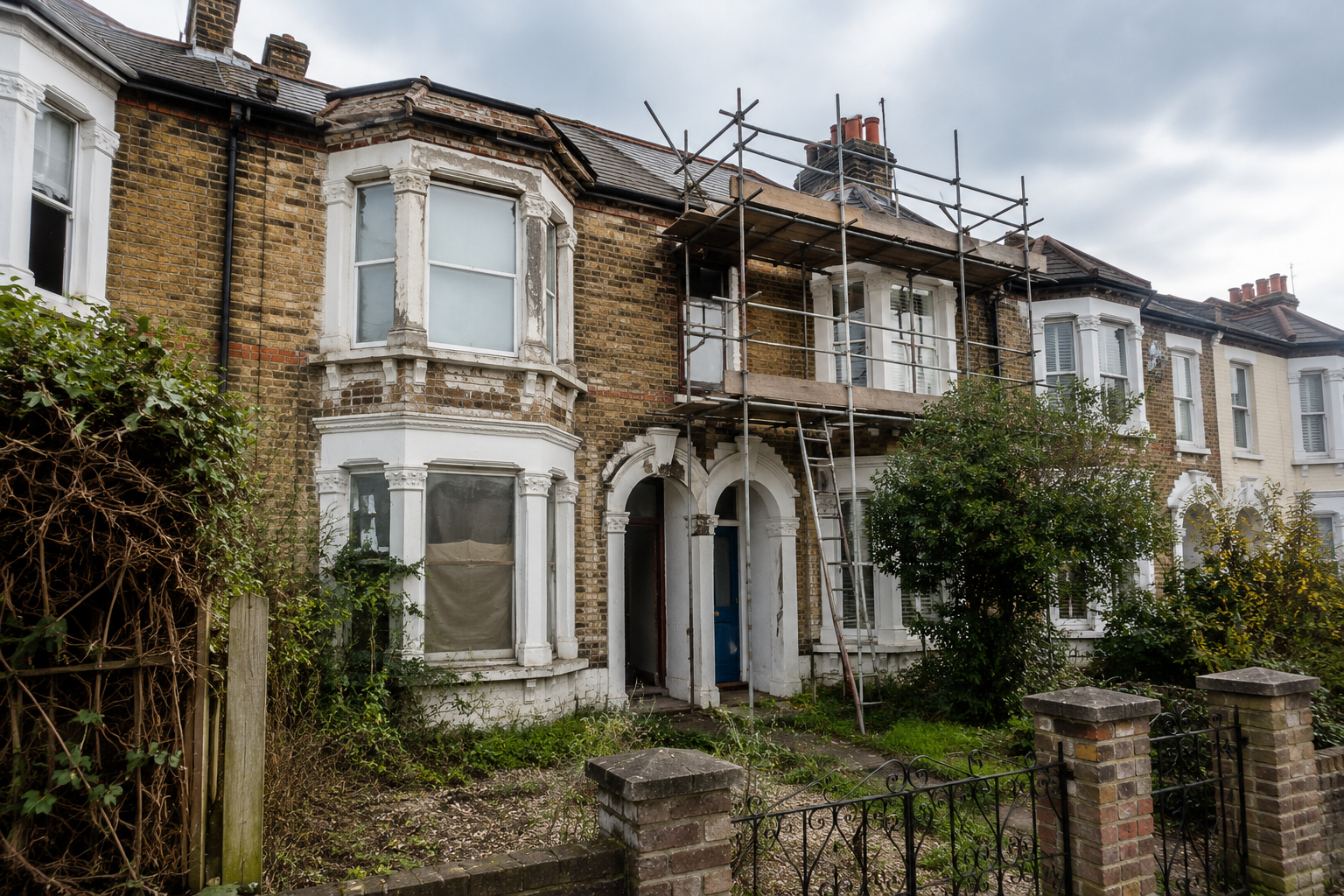
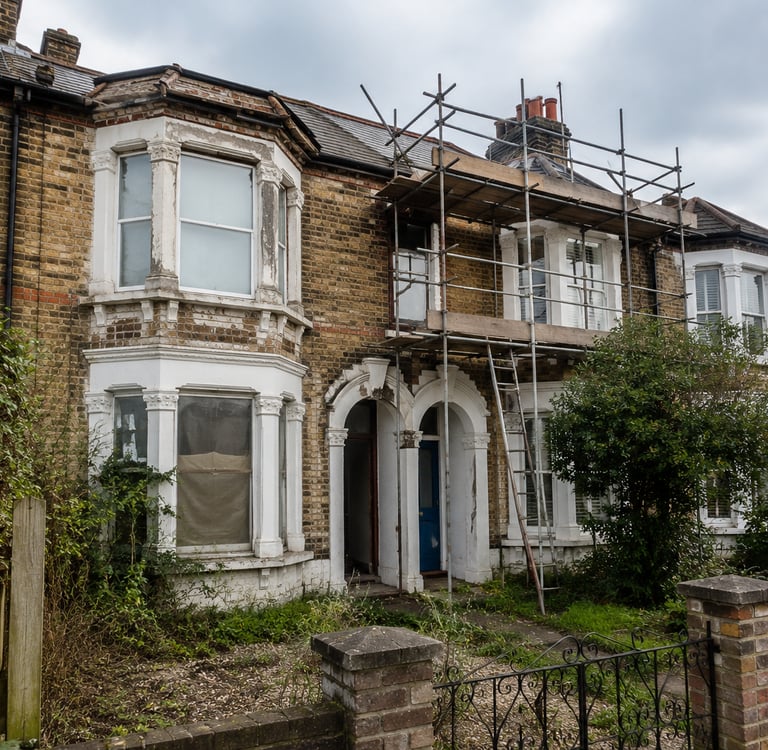
Most property sales do not fall apart immediately.
In many cases, everything seems to be progressing normally at first. A buyer is found, a price is agreed and solicitors are instructed. Then somewhere during the process, the problems start surfacing.
Sometimes the survey highlights structural concerns or expensive repairs. Sometimes the lender becomes cautious and refuses to lend. Other times, legal enquiries uncover title complications, lease issues or missing paperwork that make the buyer nervous.
That is usually when the momentum disappears.
Communication slows down, confidence drops and the conversation shifts from moving forward to renegotiating the price or reconsidering the purchase entirely.
For some sellers, the situation becomes even more stressful when the property remains unsold while mortgage payments, service charges, insurance and maintenance costs continue in the background.
If that situation sounds familiar, you may also find this helpful:
When a Property Won’t Sell and the Bills Keep Coming: What to Do Next
If this feels familiar, it does not necessarily mean your property is unsellable.
More often, it means the property is being marketed to buyers who were never properly equipped for it in the first place.
What Makes a Property Difficult to Sell?
Some properties simply do not fit comfortably into the mainstream residential market.
This may include:
properties requiring major refurbishment
short lease flats
structural movement or damp concerns
non-standard construction
title complications
sitting tenants
incomplete paperwork
cash buyers only situations
buildings where lenders are reluctant to lend
The issue is not always the property itself.
Often, the issue is that the average residential buyer is relying on a standard mortgage and expecting a straightforward purchase.
Once complexity enters the picture, confidence quickly disappears.
Why Traditional Sales Often Struggle
Many difficult properties attract attention and viewings, but that does not always translate into a successful sale.
Traditional estate agency marketing often brings in buyers who like the idea of the property, but are not fully prepared for the reality of it.
That might be because:
their lender will not support the purchase
the refurbishment costs are higher than expected
the legal complexity feels overwhelming
the tenant situation makes them nervous
the survey changes their appetite for risk
This is why some properties repeatedly receive enquiries and offers, but very little genuine progress.
The interest is real.
The problem is that many of the buyers were never properly equipped to proceed in the first place.
Your Property May Not Be Unsellable
This is one of the biggest misconceptions sellers face.
A difficult property is not automatically a bad property.
In many cases, it is simply better suited to a different buyer audience.
A developer may view major refurbishment as opportunity.
An experienced landlord may be perfectly comfortable purchasing with a tenant in situ.
A cash buyer may not be concerned about issues that would stop a mainstream lender immediately.
The key is understanding which market the property genuinely belongs in.
Why Auction Can Sometimes Work Better
Auction is often misunderstood.
Many people assume it is only for distressed properties or desperate sellers. That is no longer the reality.
For complex or unmortgageable properties, auction can work well because it places the property directly in front of buyers who already understand refurbishment, legal complexity and investment risk.
That buyer pool often includes:
developers
experienced landlords
cash buyers
portfolio investors
buyers using specialist finance
Importantly, these buyers usually assess the risks before committing, not halfway through the transaction.
The legal pack is made available upfront, which allows buyers and solicitors to review the information properly before bidding.
That transparency changes the dynamic completely.
Instead of spending months explaining the same issues to unsuitable buyers, the property is exposed to buyers who already understand what they are looking at.
For many sellers, that is the real advantage.
Not just speed.
Certainty and buyer suitability.
Signs Your Property May Be Better Suited to Auction
Your property may benefit from auction exposure if:
previous sales have collapsed after surveys
lenders are refusing mortgages
the property requires substantial refurbishment
there are sitting tenants
there are title or lease complications
buyers repeatedly renegotiate
viewings generate interest but not progression
the property has been on and off the market multiple times
Why Sellers Often Contact Payinless Property
Many agents can list a difficult property.
Far fewer understand how to position one properly.
At Payinless Property, the focus is not simply on generating viewings.
The starting point is understanding what is actually preventing the sale from progressing.
Sometimes the issue is finance.
Sometimes it is the tenant setup, missing paperwork, compliance concerns or unrealistic buyer expectations.
The goal is to identify the obstacle early and position the property in front of the most suitable buyer audience from the outset.
That may involve:
selling with tenants in situ
preparing compliance documentation
identifying legal issues early
working alongside auction specialists
marketing the property differently from a standard residential sale
This is also why many sellers choose to use Pattinson Auction for complex or investment-led properties.
The platform gives exposure to a large pool of investor and cash buyers across the UK, many of whom are actively looking for refurbishment projects, tenanted investments and non-standard opportunities.
For sellers who are tired of failed sales and repeated uncertainty, that change in audience can make a significant difference.
Frequently Asked Questions
Can I sell a property with tenants in situ?
Yes.
In many cases, selling with a tenant in situ can actually appeal to experienced landlords and investor buyers, particularly where rental income is already being generated.
You can read more here.
What if the property will not get a mortgage?
This is more common than many sellers realise.
Properties with structural concerns, short leases or major refurbishment requirements often struggle with mainstream lending.
That does not necessarily prevent a sale, but it may require a different buyer audience.
Do I need to refurbish before selling?
Not always.
Some buyers actively look for refurbishment opportunities and would rather complete the works themselves.
Can I sell with legal or title issues?
Potentially, yes.
The important thing is identifying and disclosing issues properly upfront so buyers can assess the risk before committing.
Is auction only for distressed properties?
No.
Auction is increasingly used for investment sales, tenant-in-situ properties, development opportunities and complex assets that do not fit neatly into the traditional residential market.
Final Thoughts
Complex properties require realistic positioning.
Trying to force them into the mainstream residential market often leads to frustration, collapsed sales and wasted time.
In many cases, the solution is not better photography, different wording or another traditional estate agent.
It is finding the right buyer audience from the beginning.
If you would like a calm, no-pressure conversation about your options, feel free to contact Payinless Property Management Limited.
Payinless Property
Expert Lettings and Property Management across Hertfordshire and North London, with Property Auctions Nationwide.
Contact
info@payinless.co.uk
+44 (0) 20 8050 7784
Payinless Property Management Limited © 2025. All rights reserved.



Let's Connect